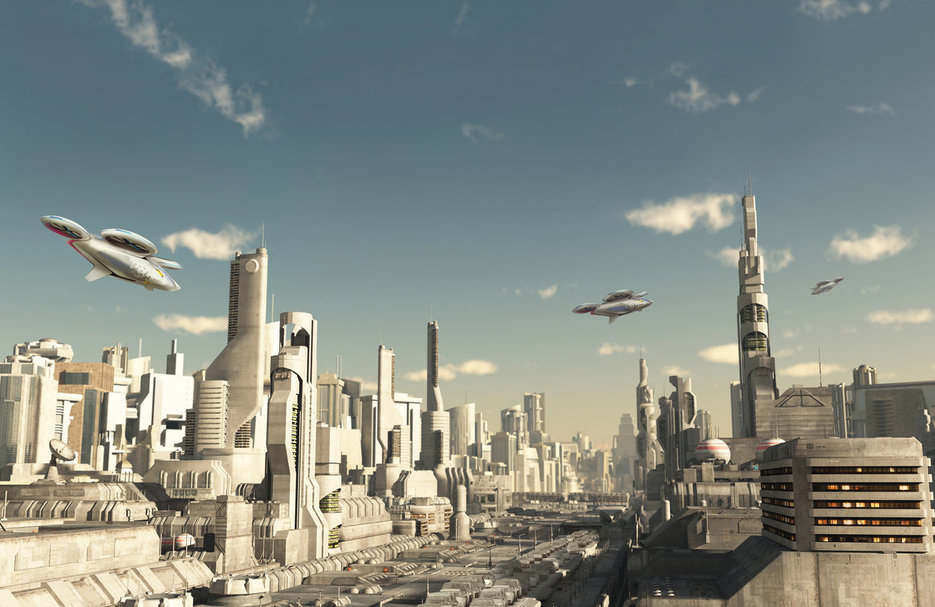
The latest advances in air travel are centered around urban air mobility (UAM) and the use of autonomous air taxis for rapid travel within densely populated cities. This presents several problems that must be overcome, the foremost being the integration of unmanned aircraft systems (UAS) into the national airspace system (NAS). The use of these platforms will require the modification of the NAS to allow them to operate in the vicinity of manned aircraft while also adhering to a strict set of rules. Integration of UAS into the NAS must also consider the workload of the air traffic controllers (Baum, 2019).
Since there is no pilot on board, contingency plans must be established ahead of time and programmed into the machine in case of a lost link scenario, this will allow the immediate activation of that route by the controlling logic after a specified amount of time after loss of communication with the NAS. Another issue that must be addressed is to ensure the aircraft must have the ability to detect oncoming traffic and take the necessary action to avoid a collision, known as detect, sense, and avoid (DSA). This technology is in addition to the required automatic dependent surveillance-broadcast (ADS-B) equipment installed on aircraft (Ramasamy, 2018).
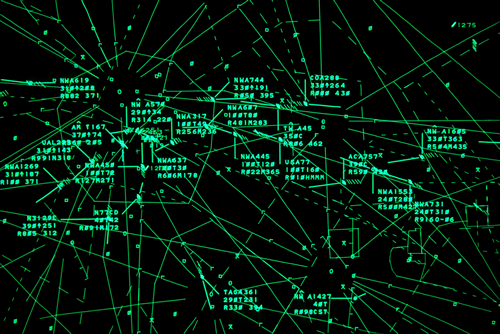
As with any highly autonomous system, once humans are put into the equation, the chances for error increase significantly. For example, if the contingency route was not entered by the operator correctly, a loss of vehicle can occur with a lost link scenario. The units instructions cannot be updated and it will continue to execute the last preprogrammed destination regardless of fuel stores (Subbaraman, 2013). A system-wide interruption of communications could overload the standby controllers as there may not be enough personnel on hand to handle the situation.

Flight clearances will need to be handled automatically by the NAS, this would also require human monitors which may increase the workload of current controllers. The addition of automation with trusted and proven platforms and established air corridors to segregate autonomous aircraft. This extra layer of safety should continue until the technology is advanced enough to deal with both manned and unmanned aircraft operating within close vicinity without incidents. Like any new and disruptive technology, once it becomes proven and accepted, costs will reduce and its use will become commonplace.
Baum, D. M. (2019). A mindset-based E=evolution of unmanned aircraft system (UAS) acceptance Into the national airspace system (NAS). IEEE Access, 30938 – 30952. doi:10.1109/ACCESS.2019.2952973
Ramasamy, S. S. (2018). A unified analytical framework for aircraft separation assurance and UAS sense-and-avoid. Journal of Intelligent & Robotic Systems, 735-754. doi:http://dx.doi.org.ezproxy.libproxy.db.erau.edu/10.1007/s10846-017-0661-z
Subbaraman, N. (2013, March 20). Drones crash (a lot) but the military’s safety lessons may help civilians. Retrieved from NBC News: https://www.nbcnews.com/technolog/drones-crash-lot-militarys-safety-lessons-may-help-civilians-1C8932488

 Patrick Carroll
