Decision making for unmanned aircraft systems (UAS) is similar to manned aircraft but the consequences of the actions are different as the operator is not aboard the craft. This requires more forethought by the pilot and to ensure they do not intentionally violate any of the rules required for operating a UAS. The most significant unknown as it is related to aviation decision making (ADM) with UAS are the actions of those individuals and groups not associated with the operators. Weather is forecast, conditions observed, and the go/no-go decision is made based upon current conditions, the operator can mitigate these conditions, but the actions of the unpredictable public has to the potential to change the operation’s objectives in the middle of it (Federal Aviation Administration, 2009).
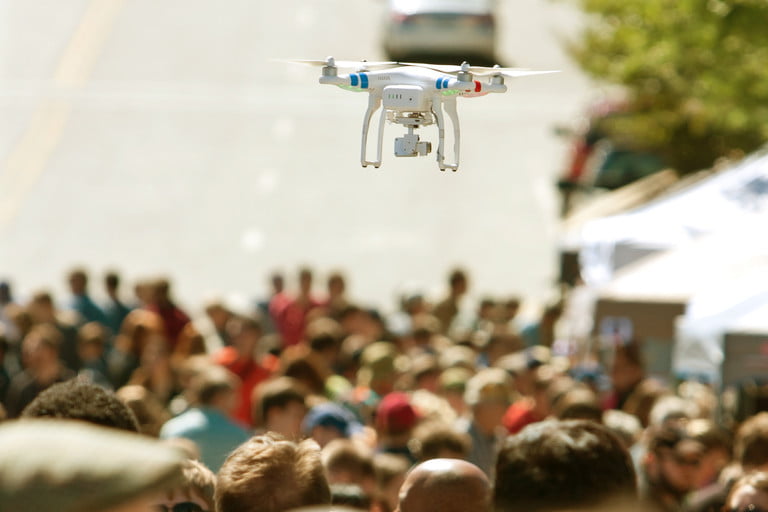
UAS are not allowed to fly over crowds unless the operator has a waiver, a malfunctioning unit can cause serious injury to those on the ground, but if it is observing a protest march for a news broadcast, the original flight plan will have to be modified by the operator on the fly to minimize the possibility of overflight of people. This unpredictability of those not directly involved with operations can affect ADM in negative ways. Pressure by the employer of the drone operator to get a time sensitive task completed may also be a factor, such is the case with a news broadcast. UAS, although smaller than a light plane, are still considered aircraft by the Federal Aviation Administration (FAA). The operator must treat them as such, but they are also more sensitive to changing conditions and obstructions since they operate at lower altitudes and are more maneuverable (Federal Aviation Administration, 2016).
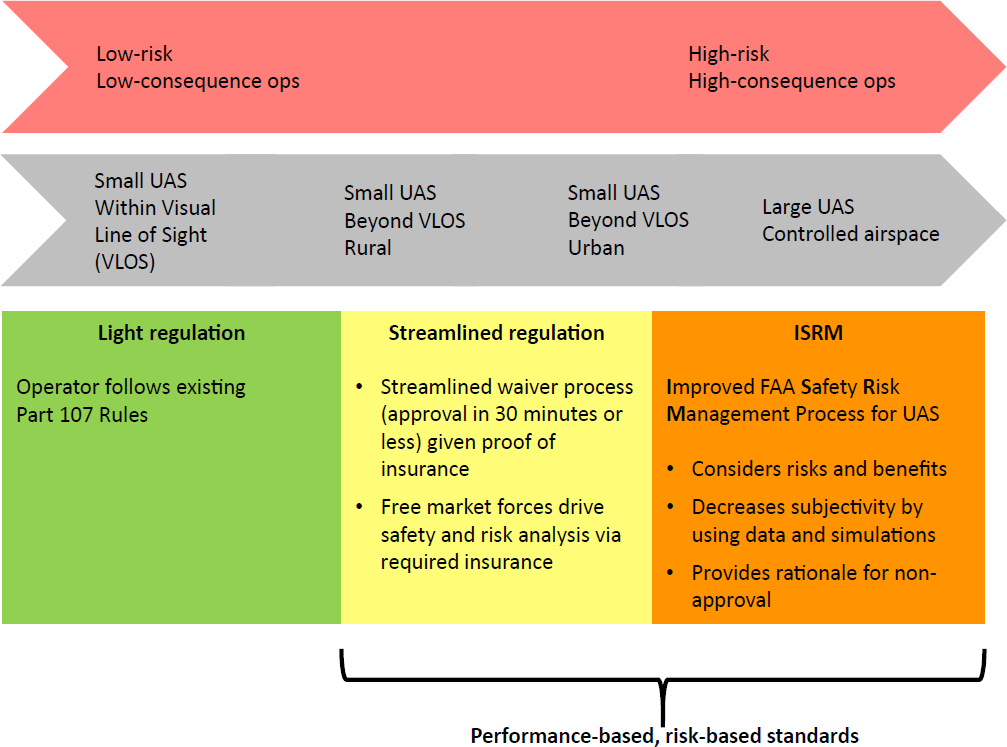
Human factors play a large part in the safe operation of UAS, perhaps the FAA will develop an entire subset of theories related to them as they proliferate and modify crew resource management procedures tailored to the vehicles. But as with any mechanical system, once humans enter the equation, the chance for error increases. It would appear the most prevalent human factors in UAS operations are spatial awareness, peer pressure to complete the task, standardization of equipment interface, and interference by an individual outside of the control group who have nothing to do with the operation at all (Wheatcroft, 2017).

Perhaps if the news media could concentrate on the benefits of UAS, instead of the rouge operator putting others in danger, they would gain greater acceptance and used for more tasks. Particularly during these times of pandemics and health crises to aid the logistics operations. The recent COVID-19 outbreak maybe just the event to highlight the utility of the UAS.
Reference
Federal Aviation Administration. (2009). FAA Risk Management Handbook. Retrieved from Federal Aviation Administratoin: https://www.faa.gov/ regulations_policies/ handbooks_manuals/aviation/media/FAA-H-8083-2.pdf
Federal Aviation Administration. (2016, June 21). Summary of small unmanned aircraft rule (part 107). Retrieved from FAA home ▸ unmanned aircraft systems ▸ certificated remote pilots including commercial operators: https://www.faa.gov/ uas/media/ Part_107_Summary.pdf
Wheatcroft, J. M.-W. (2017). Unmanned aerial systems (UAS) operators’ accuracy and confidence of decisions: Professional pilots or video game players? Cogent Psychology, 4(1). doi:http://dx.doi.org.ezproxy.libproxy.db.erau.edu/10.1080/23311908.2017.13276

 Patrick Carroll