As with any technology that rapidly proliferates such as unmanned aircraft systems (UAS), the mishap and accident rate can appear to be rather high. They can be corrected and reduced through training and the refinement of the control interface with the identification of the human factors issues that are the most probable cause. It is not a quick process, but as long as the trend is downward and there is no loss of life or extensive property damage problems can be identified and the solutions verified.
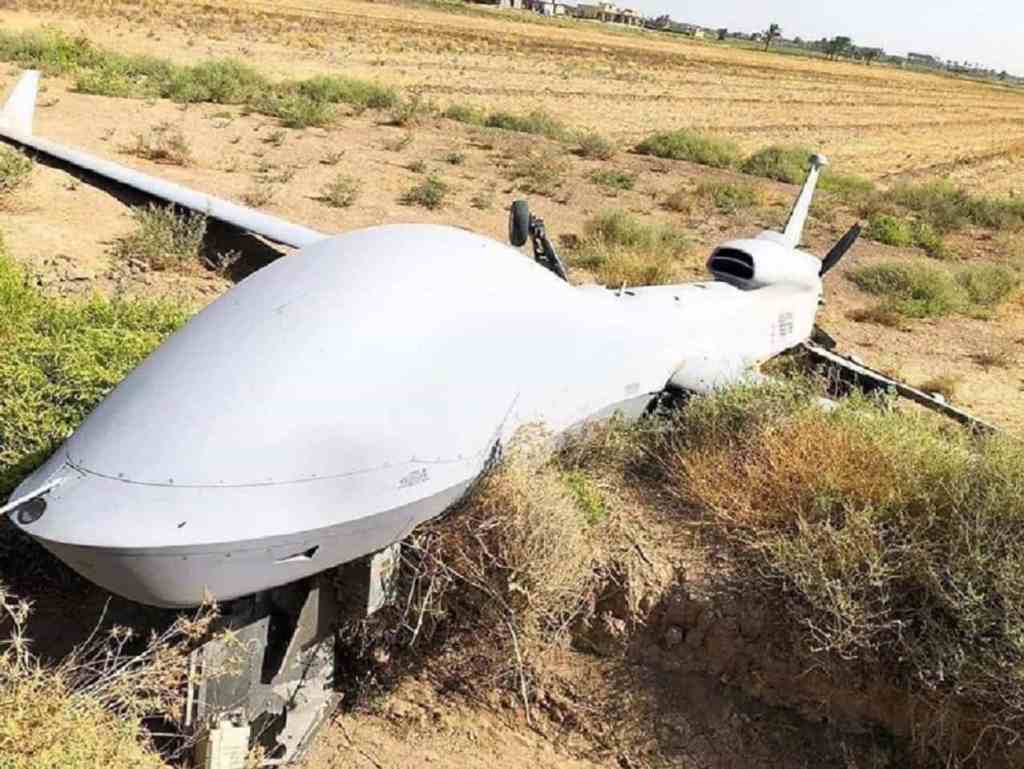
There are always risks associated with aviation, from maintenance errors, mechanical failures, weather, and pilot error, but as these problems are identified, they are mitigated. It can be through policy changes, training, mechanical improvements, and changes to the maintenance procedures. Operating a UAS can have a higher rate of human factors induced errors because of the level of automation in the aircraft and the location of the pilot relative to the aircraft (Carrigan, n.d.). Flying a UAS beyond visual line of sight of the aircraft poses its own challenges due to signal latency. Even small hobby size UAS are quite capable of operating outside of the visual range of their pilots and depending on the installed equipment, capable of transmitting video without any extra equipment. This does not imply that should be operated in such a manner as a lost link could cause it to attempt to return home regardless of the obstacles in its path.

Human factors have contributed greatly to UAS accidents and mishaps, although in the early years they primarily occurred in the military as they are the largest operators (Whitlock, 2014). They are still having problems to this day, although the number is decreasing. But the incidents are switching over to the civilian arena as they proliferate, airports have been shut down and flights canceled as they can pose a danger to aircraft and passengers whether intentional or not (Fieldstadt, 2018). The largest problem with human factors and amateur UAS pilots appears to be the lack of human factors training and a laissez-faire attitude to the operation of their vehicle indifferent to the injury or damage they could cause (Fontaine, 2016). It is possible that this trend will continue among the amateur operators until at which time a significant fine and or jail time is doled out for a serious violation of operating rules. Professional UAS operators tend to be more safety-conscious as their livelihood depends on the safe piloting of the UAS.
Carrigan, G. L. (n.d.). Human Factors Analysis of Predator B Crash . Retrieved from http://halab.mit.edu: https://hal.pratt.duke.edu/sites/hal.pratt.duke.edu/files/u13/Human%20Factors%20Analysis%20of%20Predator%20B%20Crash%20.pdf
Fieldstadt, E. (2018, December 20). Britain’s Gatwick Airport shut down due to drones flying overhead, causing holiday travel chaos. Retrieved from NBC News: https://www.nbcnews.com/news/world/britain-s-gatwick-airport-shut-down-after-drones-spotted-over-n950266
Fontaine, O. M. (2016). Remote Pilot Aircraft System (RPAS): just culture, human factors and learnt lessons. Chemical engineering transactions, 205-210. Retrieved from https://ris.utwente.nl/ws/files/154771730/remote.pdf
Whitlock, C. (2014, June 20th). When drones fall from the sky. Retrieved from Washington Post: https://www.washingtonpost.com/sf/investigative/2014/06/20/when-drones-fall-from-the-sky/?utm_term=.5253a0183e2c

 Patrick Carroll