Operating an unmanned aircraft system (UAS) comes with certain responsibilities that are intended to protect life and property. Once seen as curiosities, their capabilities have expanded to the point of autonomous operation. Even the consumer grade UAS have semi-autonomous capabilities, that when misused can cause a collision with a manned aircraft (Goglia, 2017). Because of their capabilities, UAS must treated the same as manned aircraft in relation to training and safety. The old adage that practice makes perfect is very true, unlike manned aircraft, UAS pilots are separate from the vehicle, and this requires a different skill set to operate them effectively. Skills that only be honed through use and reinforcement. The problem is how to effectively keep those skills current when not working a job.
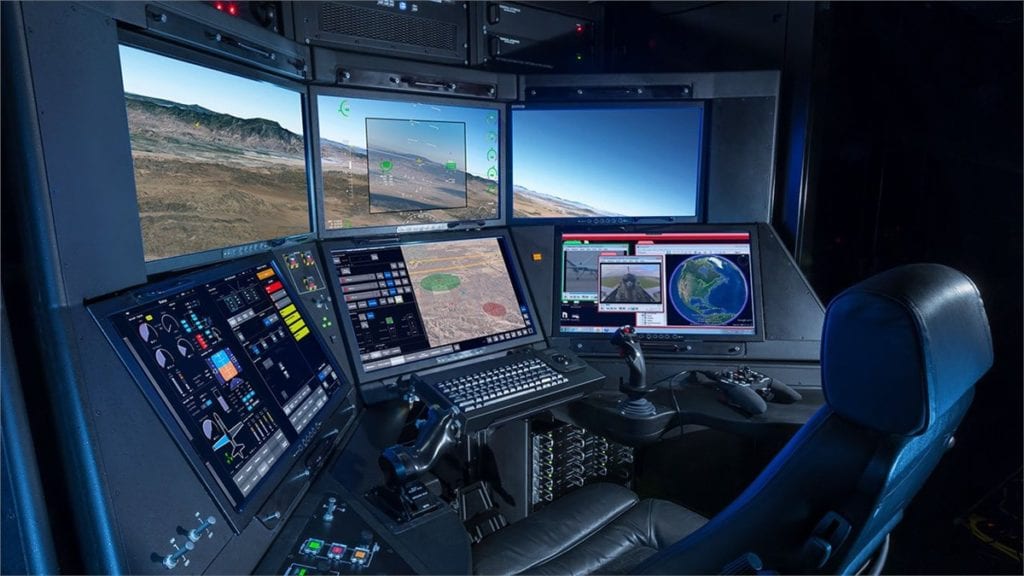
Not everyone can become a UAS pilot, and not all manned aircraft skills can transfer over to remote operations. One of the most important abilities that an operator must have is the willingness to learn and not let those skills become stagnant. Studies have shown that avid video game players have many of the prerequisites for becoming a UAS pilot, even more so than manned aircraft pilots (Wheatcroft, 2017). The remote pilots must also have a high degree of spatial awareness and be able to visualize the aircraft as it operates in three dimensions. They may not be able to see a hazard directly, but knowing it is nearby and how it affects the operations of the aircraft can increase safety.
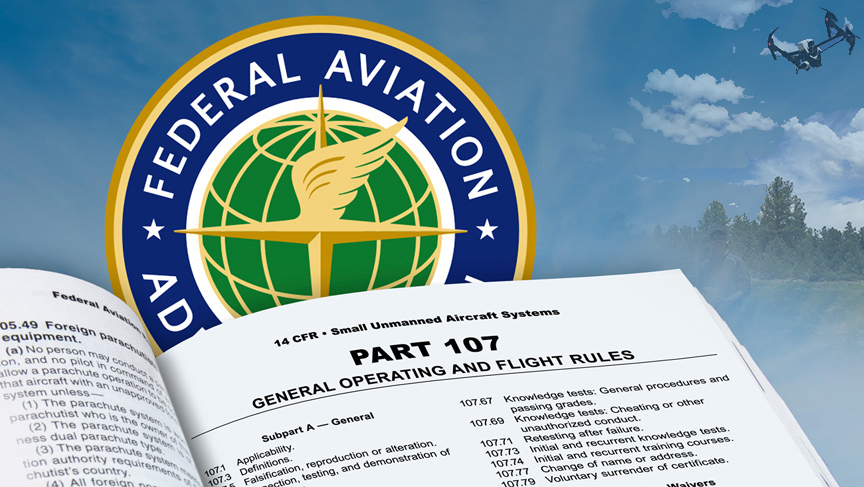
Training requirements should be based upon the size of the vehicle, similar to a type rating but instead of classified by aircraft it is by weight. Currently there are only two classifications of UAS, the Federal Aviation Administration classifies those over 55 pound as aircraft and may require an airworthiness certificate (Federal Aviation Administration, n.d.). The certificate requirements should be the same as operating manned aircraft, the larger it is, the more training that is required. There should be a minimum of 20 hours of training to operate a UAS under 10 pounds, 30 hours for 25 pounds and so forth on a sliding scale based upon the complexity, size, and automation of the aircraft. Much like manned aircraft, structuring the hours required will ensure a minimum level of competency while operating commercially. Currently there are no flight time requirements to operate a UAS within the national airspace, only knowledge test requirements, by adding the flight time qualifier, it will increase competency and safety (Federal Aviation Administration, n.d.).
Federal Aviation Administration. (n.d.). Become a Drone Pilot. Retrieved from Federal Aviation Administration: https://www.faa.gov/uas/commercial_operators/become_a_drone_pilot/
Federal Aviation Administration. (n.d.). Special authority for certain unmanned aircraft systems (Section 44807). Retrieved from Federal Aviation Administratoin: https://www.faa.gov/uas/advanced_operations/section_333/
Goglia, J. (2017, December 14). NTSB finds drone pilot at fault For midair collision with army helicopter. Retrieved from Forbes: https://www.forbes.com/sites/johngoglia/2017/12/14/ntsb-finds-drone-pilot-at-fault-for-midair-collision-with-army-helicopter/#178b25d07b3f
Wheatcroft, J. M.-W. (2017). Unmanned aerial systems (UAS) operators’ accuracy and confidence of decisions: Professional pilots or video game players? Cogent Psychology, 4(1). doi:http://dx.doi.org.ezproxy.libproxy.db.erau.edu/10.1080/23311908.2017.1327

 Patrick Carroll