After a lengthy search, an easily obtainable and inexpensive fuel grain material that requires minimal processing has been found. Since using sorbitol in the previous series of experiments, I wanted to find a material that was cheap and easy to use; paper mache and high-melting-point paraffin fit the bill; large quantities can be had for less than an equivalent amount of sorbitol. In addition, it can be combined with other performance enhancers, such as aluminum powder, copper oxide, and small percentages of oxidizers. The addition of paper mache to the paraffin adds strength and prevents the paraffin from sloughing off and plugging the nozzle, causing overpressure and failure.
The original 98mm Aerotech hybrid was a boosted composite that used two white lightning grains as the fuel. Our project can use either white lighting grains or a paraffin/cellulose in either the two or three-grain configuration. To cut costs, you can 3D print the 98mm casting tubes out of ABS. The grains will be 3d printed and also be cast using tru-core aluminum tools as well as a custom diameter mandrels made by my son, Trevor, for this project.
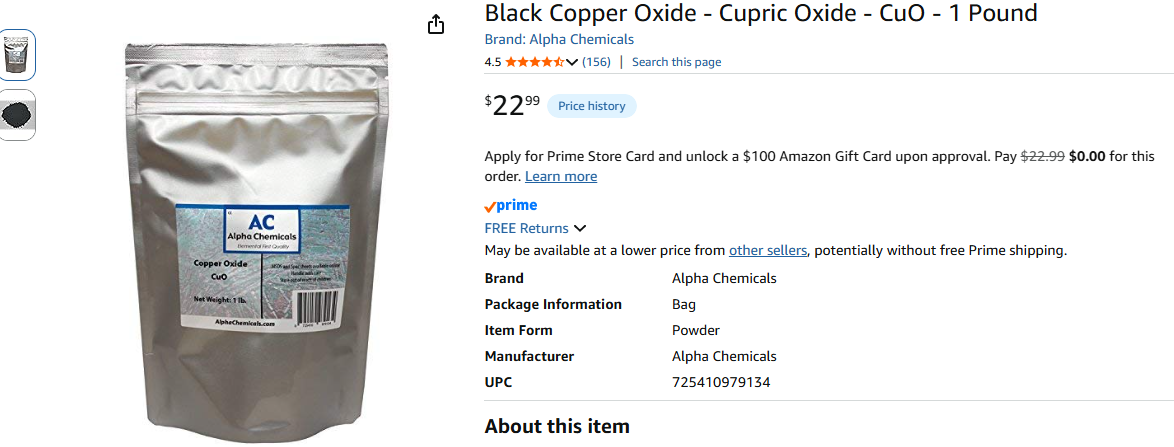
The ratio is 6:1 paraffin/ mache by weight. I will be adding 2% black copper oxide to the wax, which will help strip the O2 from the nitrous while also acting as a IR inhibitor because it’s black. The black version is more reactive than the red while also being cheaper.
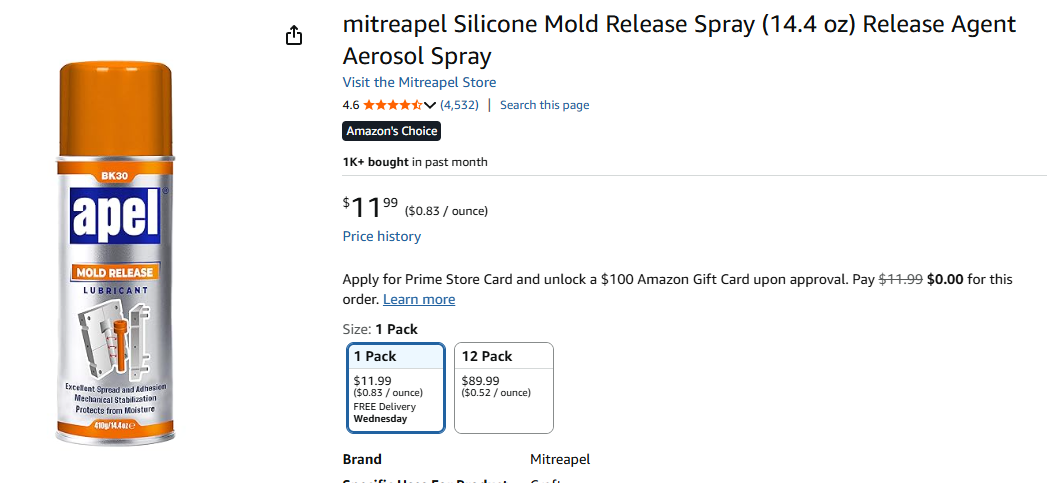
A full-length test grain was made for the 54mm with the paraffin/mache configuration. After melting the wax and adding the cupric oxide, the paper mache is added to the mixture. The mache will readily absorb the wax, but it cannot be poured into the mold; instead, it must be scooped into it and then tamped down to ensure a good bond with the wall of the casting tube. Use a wooden dowel to help tamp it down or 3d print a tool that will serve the same purpose. I used a Tru-Core casting set with Apel mold release on the core. It slides right off after cooling.
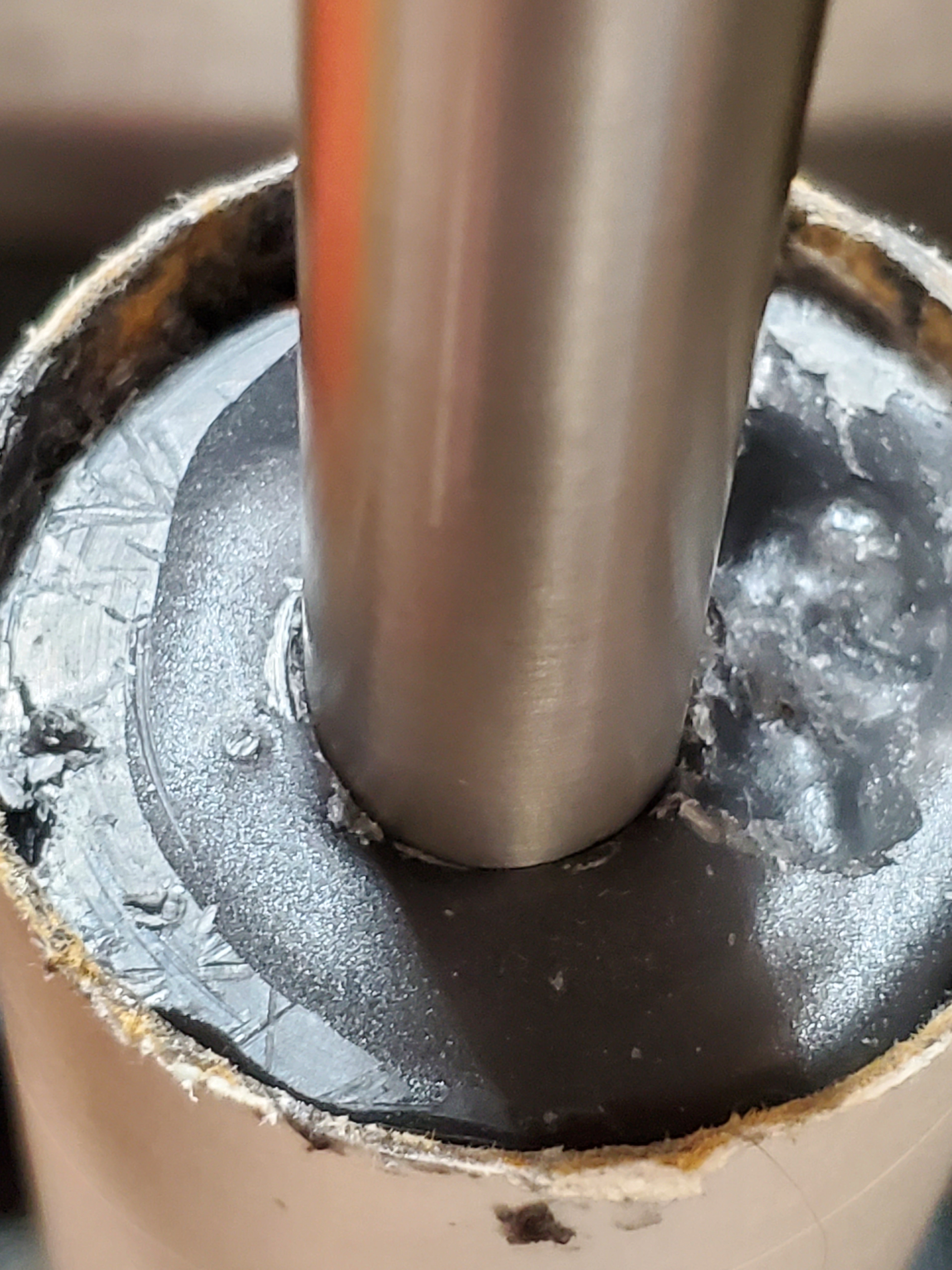
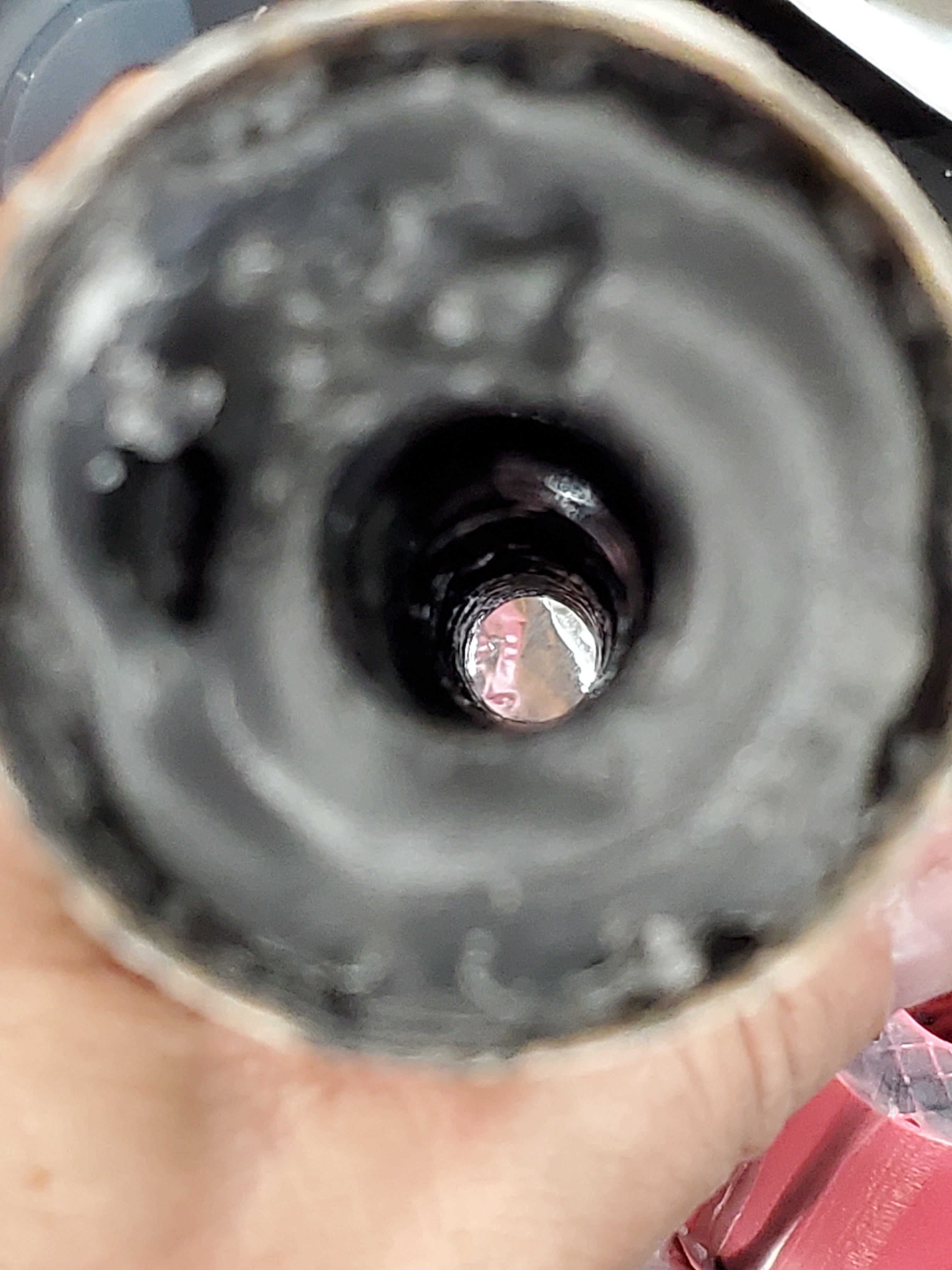
Paraffin does have a considerable shrinkage factor, so I had to top off the ends with just the wax to fill out the casting tube.
There is plenty of published research establishing the validity of paraffin as a good fuel for the hybrid rocket motor; the problem is that it is not very structurally sound under combustion. The feature that makes it a good choice for fuel, its burning characteristics, requires a method to strengthen the grain. The previous example of mixing it with paper mache contributes greatly to the structural integrity of the fuel while also adding performance.
Since we know that the paraffin requires some sort of support integral to the grain, there is another option besides the papier-mache. If you either own or have access to a 3d printer, you can print your own casting liner out of ABS, which is another great fuel for hybrid rockets. It does require some modification of the print settings as you omit the top and bottom layers to expose the infill grid. I printed two versions, one with only the top skin removed, and the second with both skins removed, which requires the use of gorilla tape to seal the opposite end. The wax poured easily and did not distort the grains because the melting point of the paraffin I used, approximately 150°F, is below the glass transition temp of the ABS. The test grains I poured were for the 54mm, while I have also printed the 98mm size for filling at a later date after RCS decides to ship my supplies I ordered.
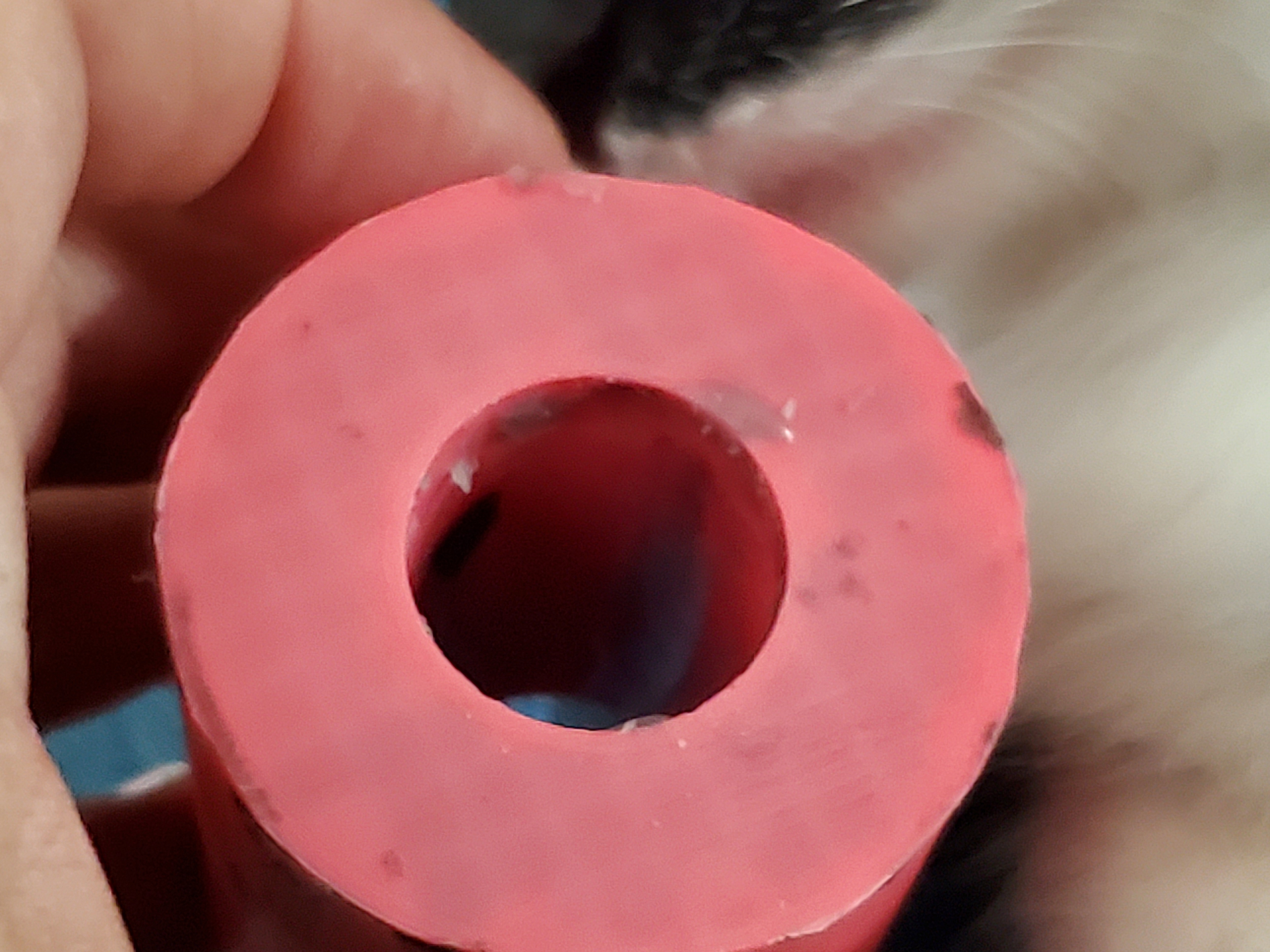
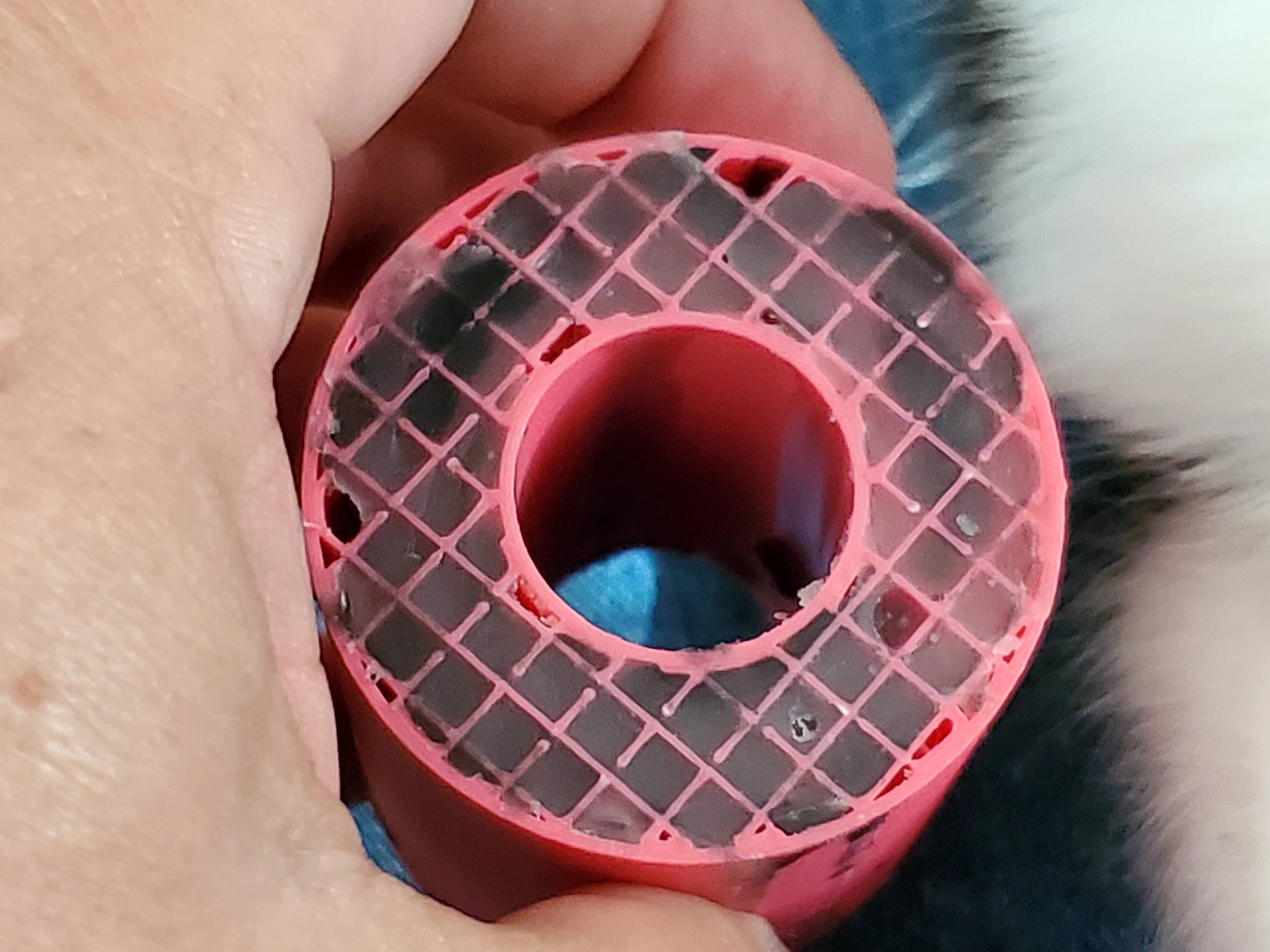
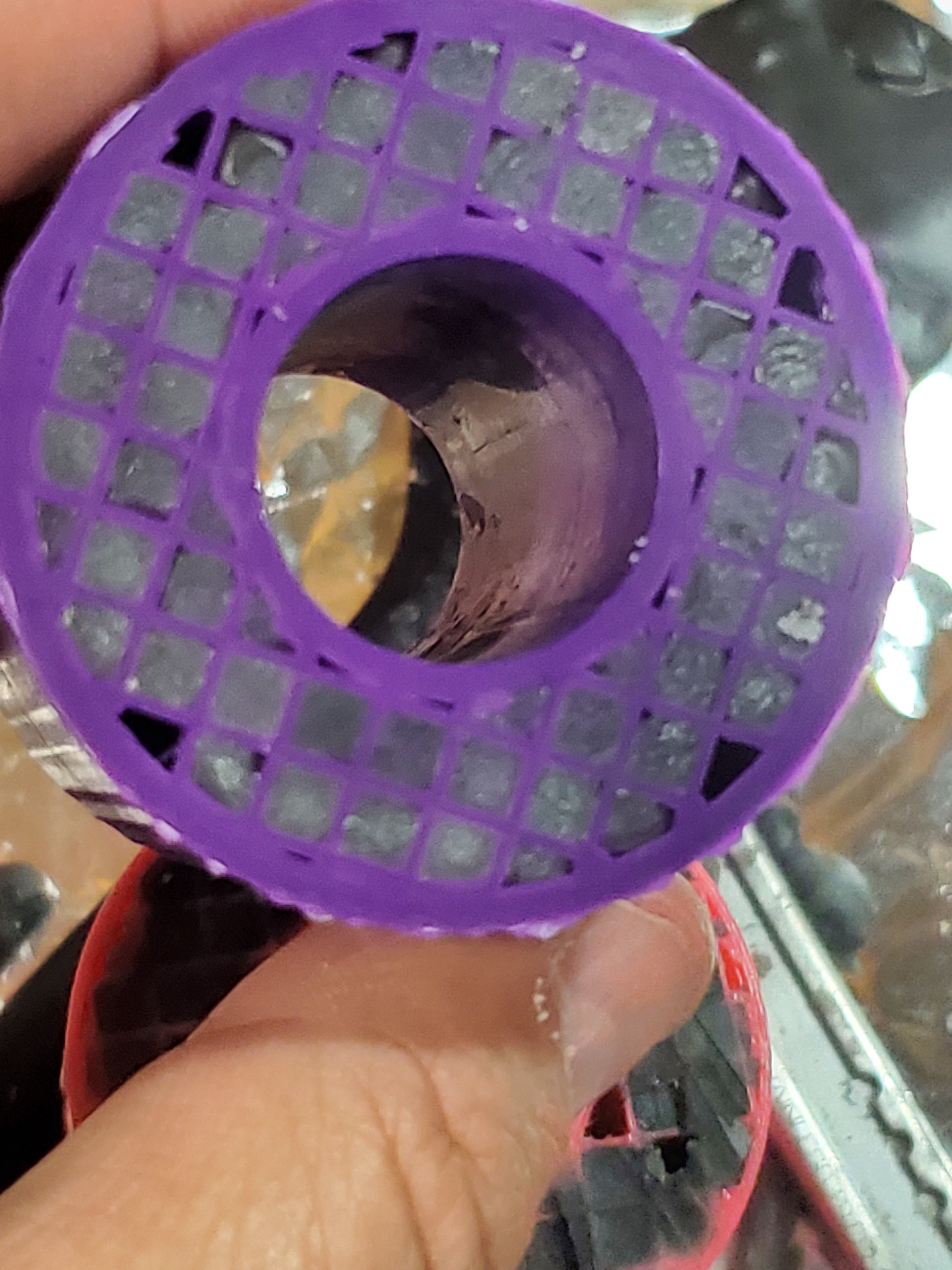
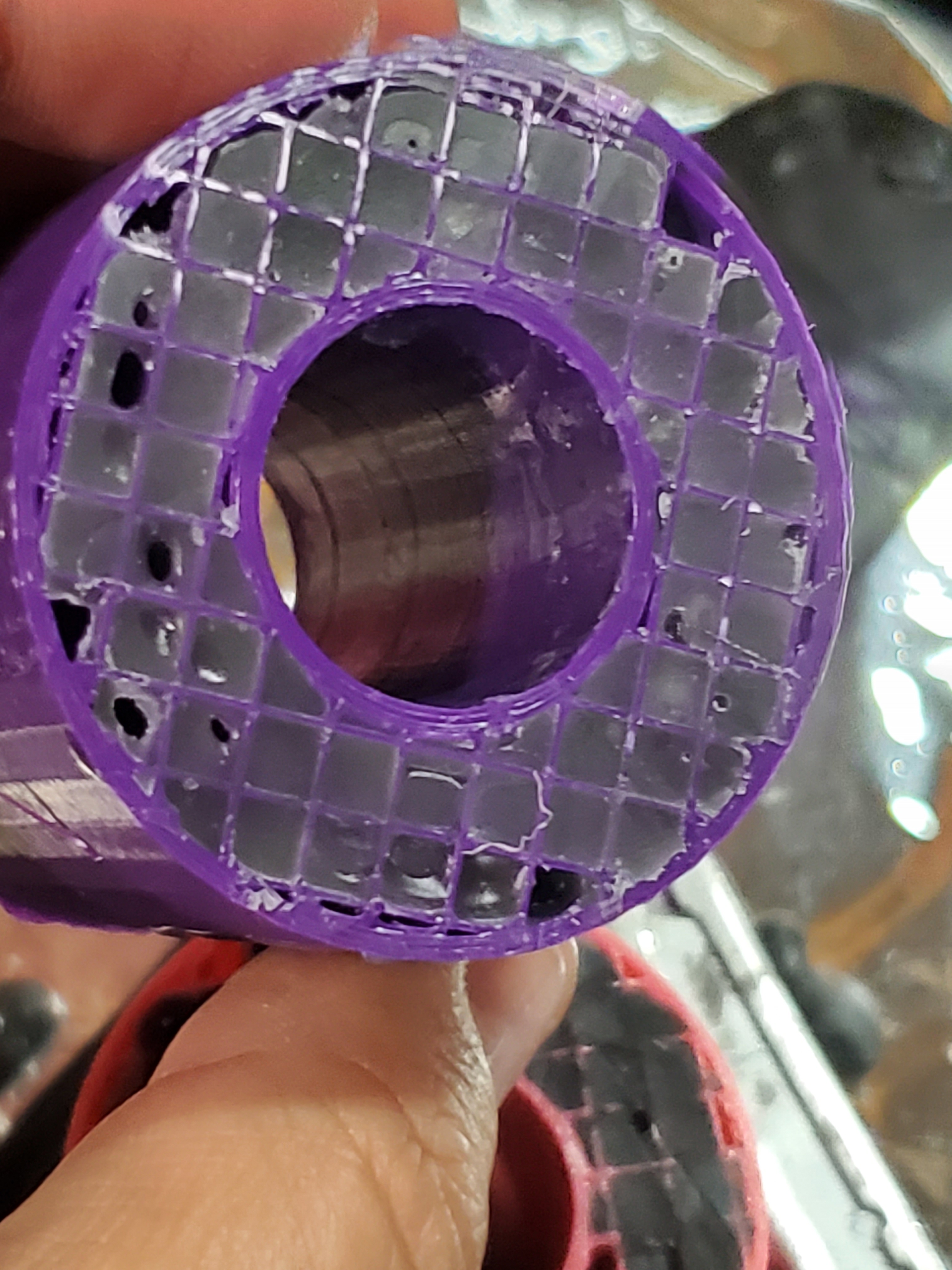
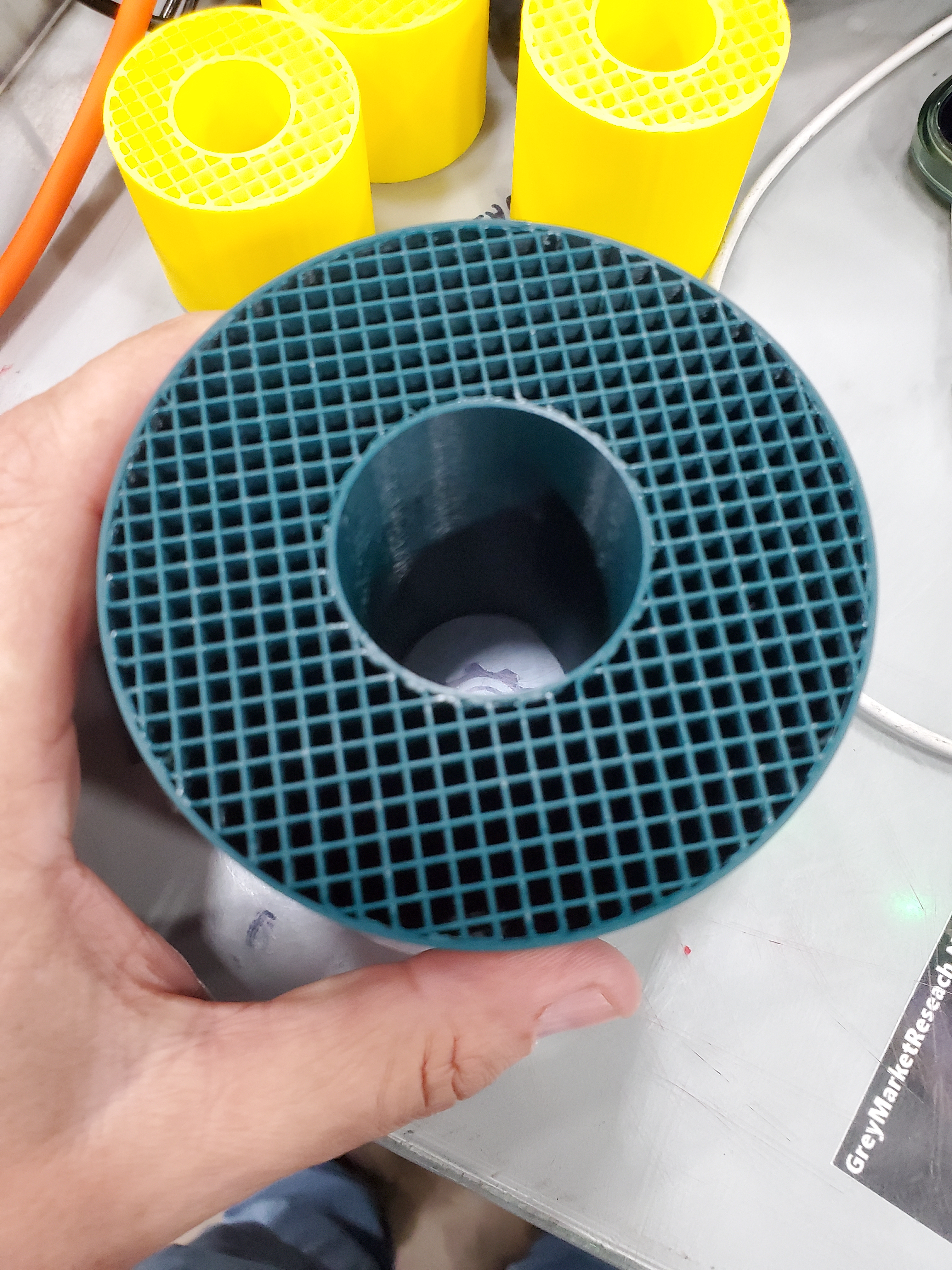
These were printed out of ABS with a 20% grid infill. I have both open-end and closed-end 98mm as well. The 54 will fit into a casting tube, whereas the 98mm only requires the liner, as it is the same OD as their standard casting liner. Instead of using paper mache, the ABS is the structural component, and a secondary fuel source, although the paraffin has a much higher regression rate than the ABS. You get approx four of the 98mm grains in the standard Aerotech size of 6 inches long from a 1 kg roll of ABS of your preferred brand, many more for the 54mm. I initially got the idea when I began researching for the 54mm Aerotech hybrid revival and came across this paper.
https://arc.aiaa.org/doi/10.2514/6.2019-4094
We are going to test 54mm paraffin grain in the original Lust for Thrust that I used at Balls in the previous experiment. The test flight should be in June or July, hopefully at the Austin Area Rocketry Group. I expect performance to be better than the original sorbitol grain since regression rates will be a bit higher, and the rocket configuration will remain the same, so it will be an easy comparison.


